As I've previously mentioned, some Superb Lyrebirds,
Menura novaehollandiae frequent our garden. They're remarkably beautiful birds, their common name reflecting the the male's tale, which resembles an ornate musical lyre. Even more extraordinary than the plumage, however, is their famous song. Or songs....
Image: John Gould,
The birds of Australia 1840-48
This morning, we were delighted to hear one of the males performing his repertoire. It included the calls of an Eastern Rosella (
Platycercus eximius), an Eastern Whipbird (
Psopodes olivaceus), an Australian Magpie (
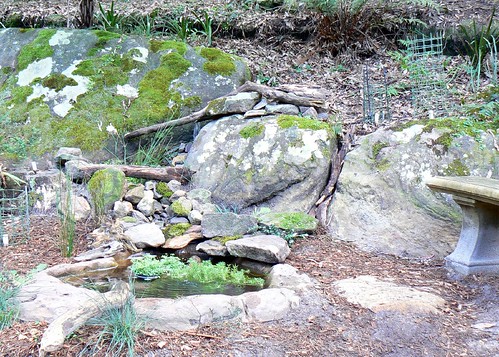
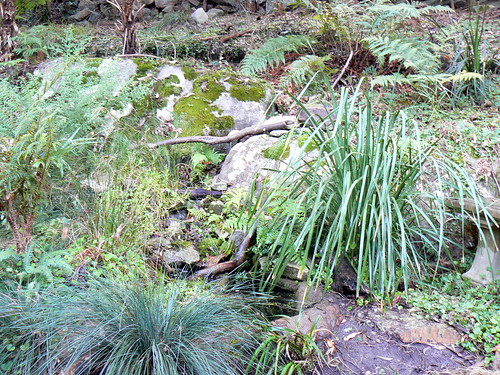
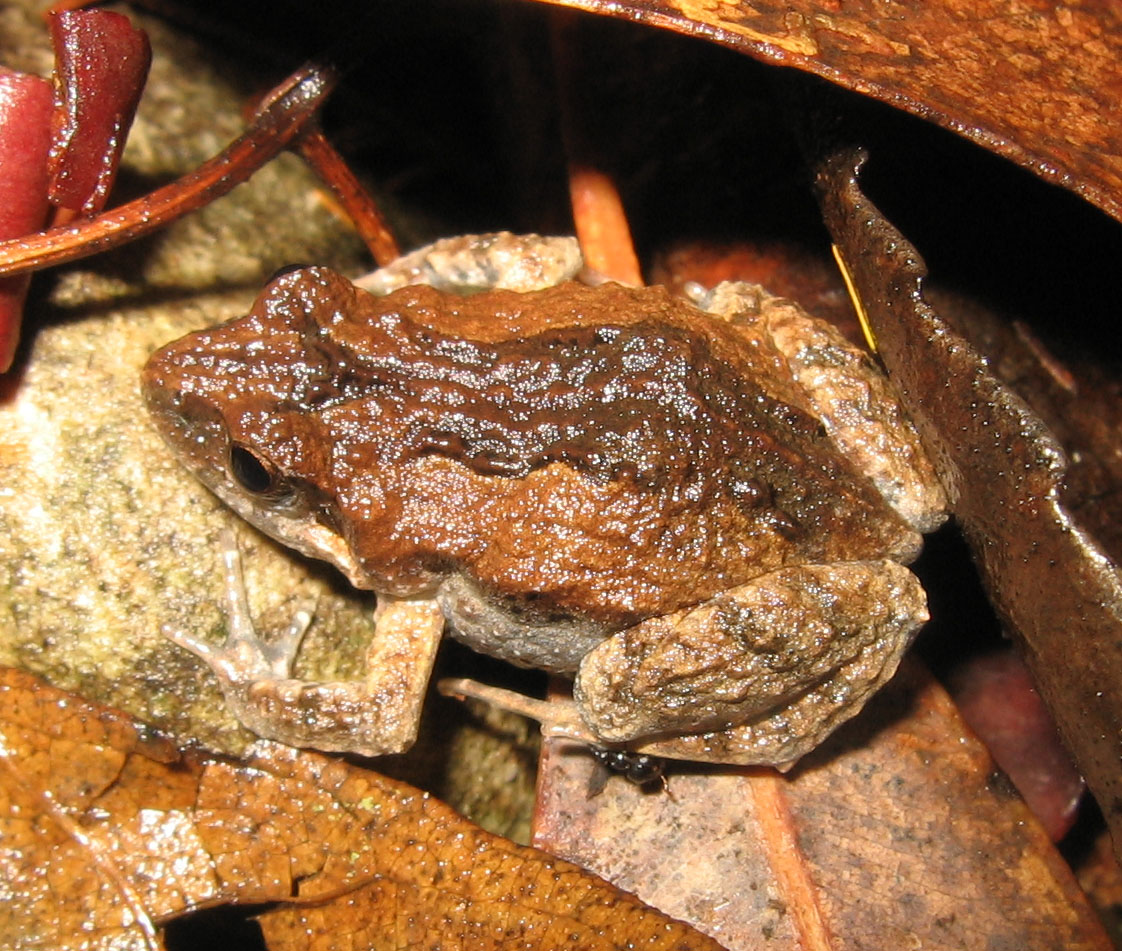
Gymnorhina tibicen), a car alarm, the beep of an electronic car-key, and the frogs in the creek behind our house,
Crinia signifera.
The Superb Lyrebird is quite large, the male being up to 100cm in length, including tale. They fossick in the leaf litter of moist forests in South-Eastern Australia, eating insects, worms and spiders. They roost in trees at night.
Their mimicry is, of course, all about getting girls. The male builds a mound to act as a stage where he throws his tale over his head, shakes it, and performs for half an hour or more. The complexity of his repertoire is directly proportional to his mating success.
The accuracy of their mimicry has to be heard to be believed, so here is a video of one being interviewed by David Attenborough.