Since we've been living here, the lyrebirds have become increasing common and less fearful. Their increased abundance is probably due in part to cat and fox baiting in Ku-ring-gai Chase National Park which anecdotally has increased populations of a range of other native fauna, including the Short-beaked Echidna (Tachyglossus aculeatus), the endangered Southern Brown Bandicoot (Isoodon obesulus obesulus) and the Australian Brush-turkey (Alectura lathami), all of which visit our place. I suspect that the lyrebirds are particularly attracted to our garden because I do a lot of mulching, grow only native plants, and avoid the use of pesticides, so there are plenty of leaf litter invertebrates for them to feast on.
 |
| Foreground: a juvenile male. Background: a female. |
 |
| A male. |
This is a recording I made this morning using my phone. Since then I've been fiddling about, converting the sound file to an .mp3, finding a host to upload it to, and sourcing a widget. I hope it plays okay on your computer. It does on mine (huzzah!).
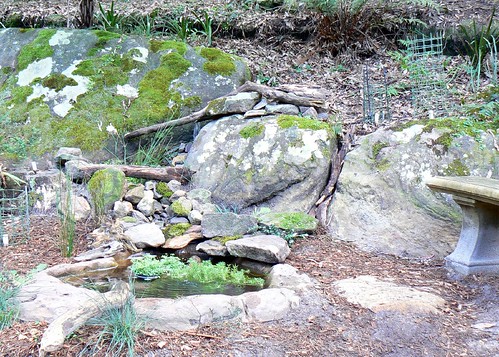
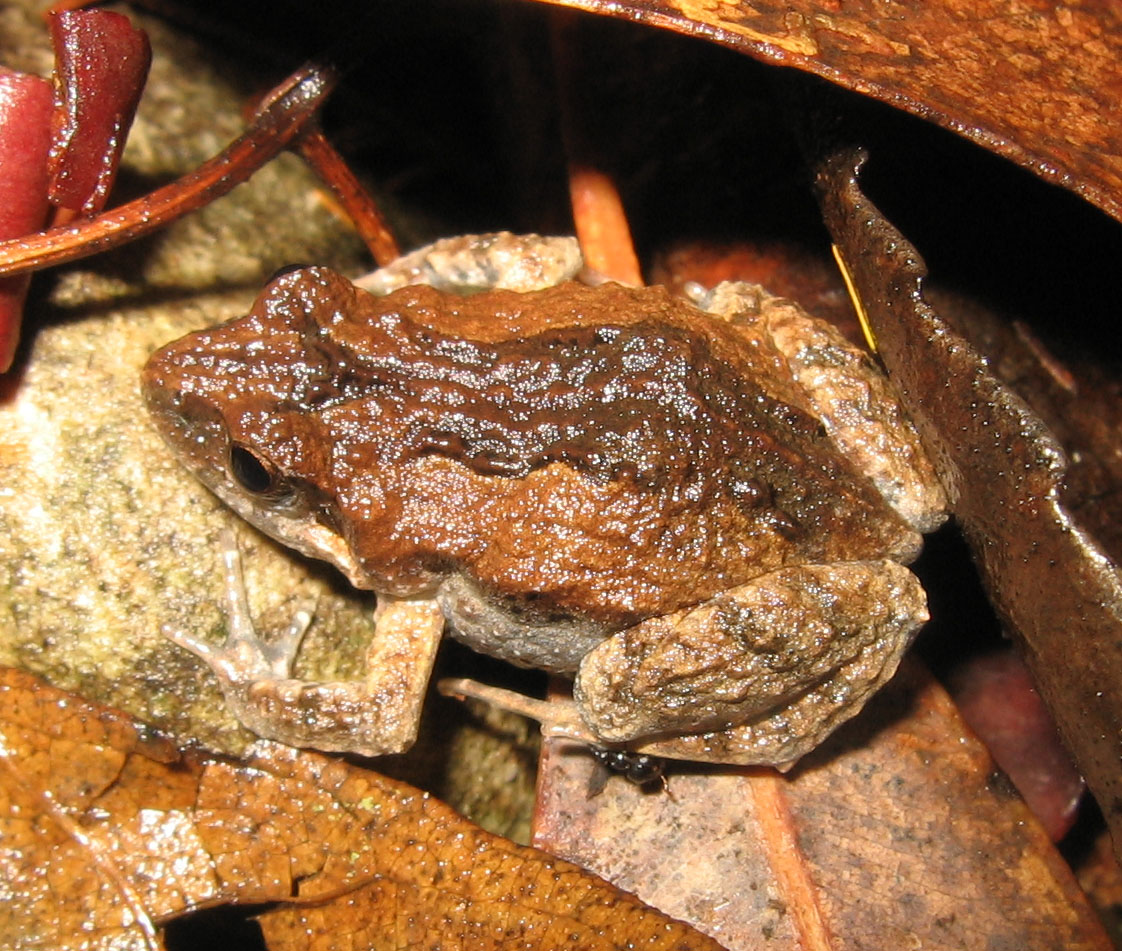
All the sounds you can hear are the lyrebird's song, mimicking other species, with the exception of the "dock" sound, which is the call of a Striped Marsh Frog (Limnodynastes peronii) in the pond. Among the birds it's mimicking are an Eastern Whipbird (Psophodes olivaceus) and a Laughing Kookaburra (Dacelo novaeguineae). At 18 seconds is a sound in the repertoire I haven't been able to identify. It doesn't sound like a bird....